


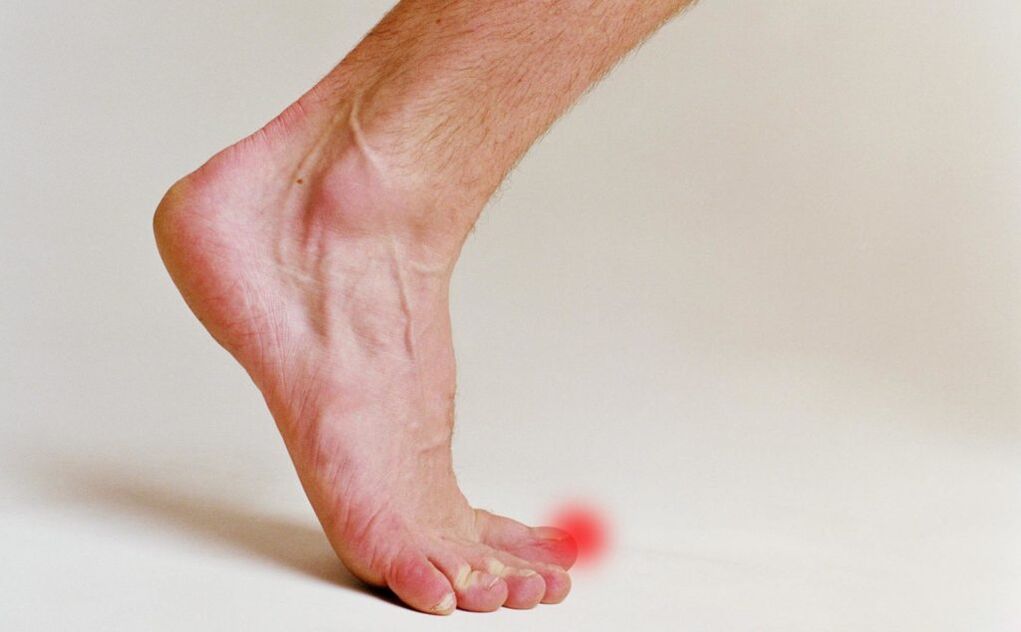
It is recommended to treat big toe fungus, even in mild cases of the disease, under the supervision of a dermatologist.This recommendation is based on the fact that therapy for onychomycosis (this is the medical name of this disease) depends on the stage of the fungal process and the type of pathogen.
During self-medication, it is difficult to independently determine the severity of the pathology and evaluate the results of treatment.
Characteristics of the thumb
Dermatologists believe that eliminating fungus on the nail of the big toe is more difficult than on other toes of the lower limb.This is due to the fact that it is large in size and has a wide nail bed.
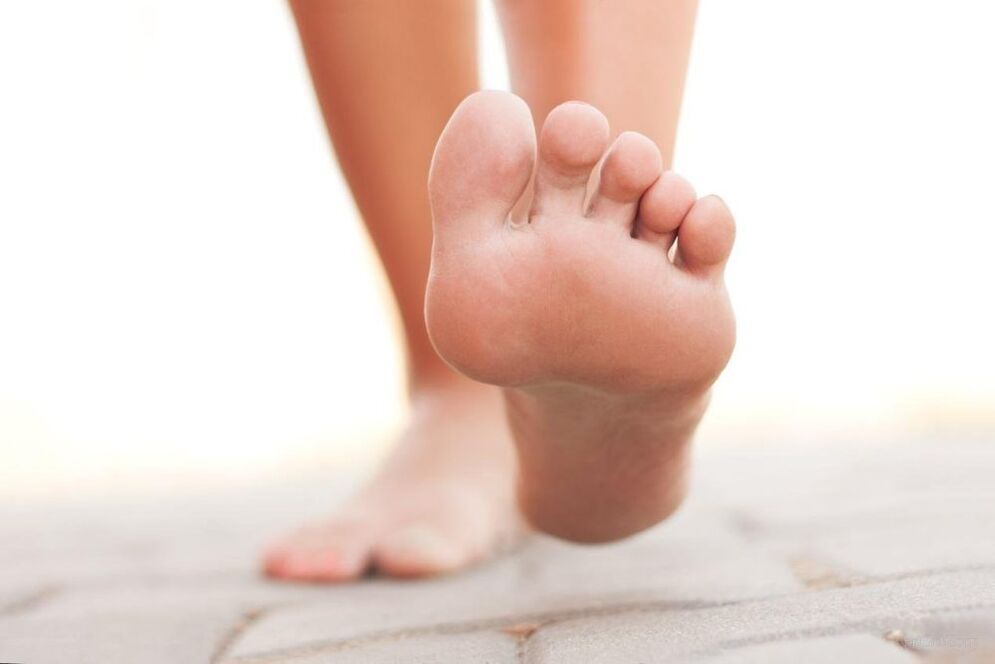
Due to the structural characteristics of finger lesions, they are distinguished by the following features:
- large affected area (large nail);
- high risk of fungal spores entering the bloodstream (more abundant blood supply).
These distinctive features increase the duration of the treatment process.Dermatologists note that when multiple fingers are affected by onychomycosis, the greatest difficulty is eliminating the lesions of the thumb.
Stages of fungal infection
Your doctor's recommendation on how to treat toenail fungus will depend on the stage of the disease:
- First.The patient does not experience unpleasant sensations;Barely noticeable stripes or spots appear on the nail plate.The toenail appears healthy and a slight change in color is perceived as a cosmetic defect and not as the first symptom of a fungal infection.Detecting the infection during this period allows you to quickly cure the nail injury.
- Second.The development of the fungus on the miniature causes minor discomfort to a person.The main symptoms at this stage: unpleasant odor of the feet and changes in the nail plate.The nail becomes yellowish and loses its shine.Itching and discomfort only bother you when you wear tight or closed shoes.Cure is possible with the external use of antifungal agents;antifungal tablets are prescribed only if a person has a severely weakened immune system.
- Third.It is considered an advanced form of pathology, in which deep damage to the nail plate occurs.When this occurs, the other toes are also affected and the skin on the feet may become infected.The patient is worried about itching, severe deformation of the nail plate, which thickens and loosens.At this time, the sick person is more dangerous for others due to the fact that particles of the nail plate with fungal spores contained in it come off.At this stage of the disease, big toe nail fungus can be cured only with the help of complex therapy (combined use of antifungal tablets and external treatment of the affected areas).
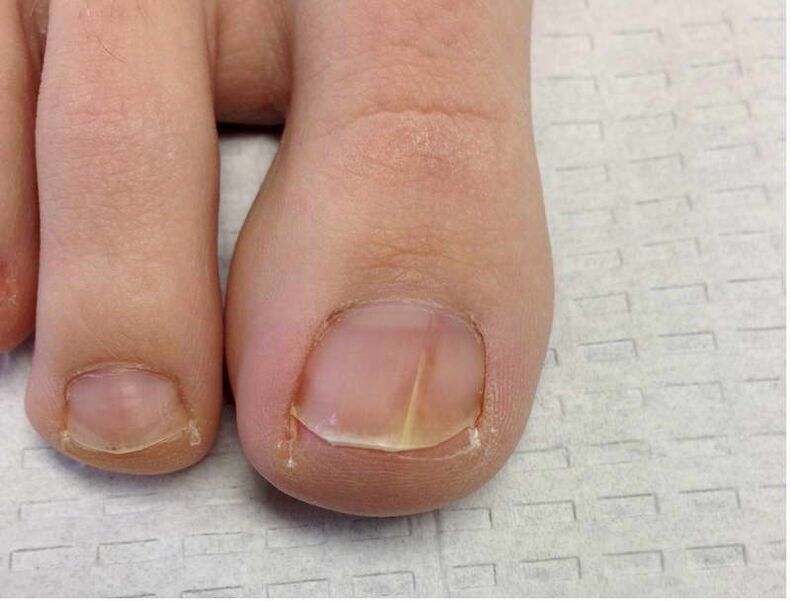
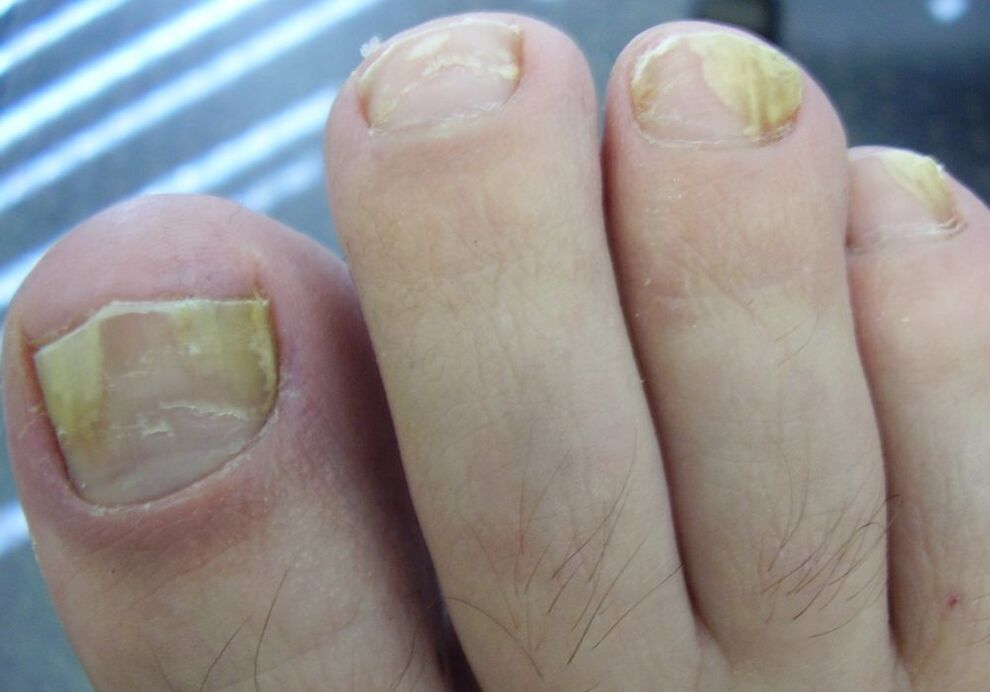
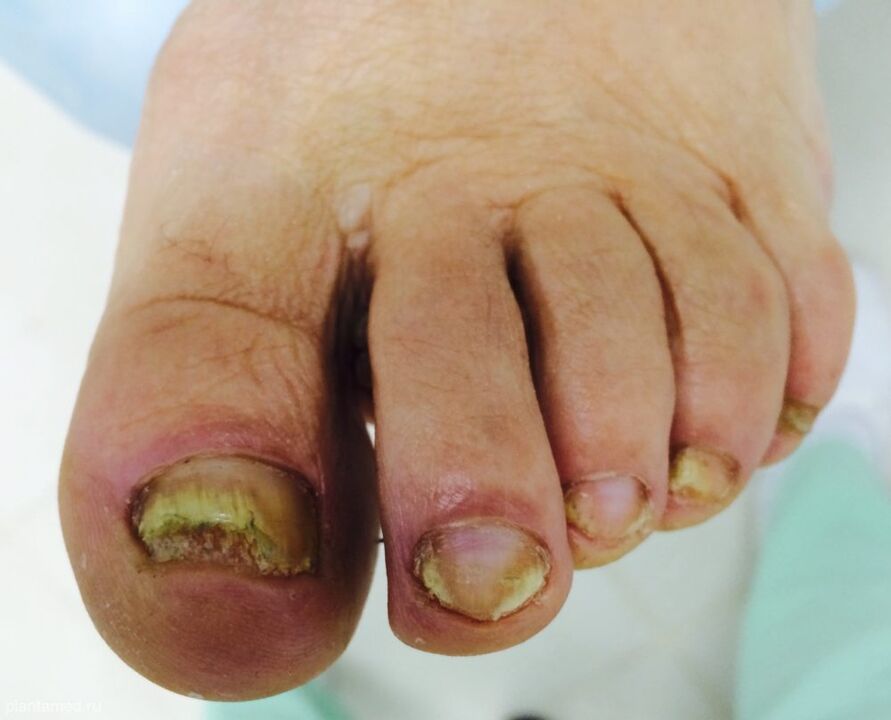
A dermatologist can advise you on how to eliminate the fungus, taking into account the symptoms and signs of the severity of the infection.
Self-medication errors
A nail fungus appeared on my big toe, treatment is carried out constantly, but there is no result.This can be felt by some patients who have been treated independently with the help of antifungal agents purchased at the pharmacy.
As a rule, patients begin to blame drug manufacturers for their failures, but in fact the main reason why the fungus is not cured is patient errors:
- Incorrect determination of the degree of pathology.If for the first stage it is enough to use medicinal varnishes and treatments with non-specific antiseptics (iodine, hydrogen peroxide), then for severe injuries specific therapy is required.Due to inexperience, a person may be limited to using only external drugs when it is necessary to take pills.
- Incorrect assessment of the treatment process.There are many causative agents of fungal infections, and most drugs for external use have a broad spectrum of action.But the remedy against the fungus is not universal and may be ineffective if onychomycosis has developed.The key to the effectiveness of therapy will be timely replacement of the drug with a medicine from another group, but most people do not take this into account and continue to use purchased ointments or sprays to no avail.
- Irregularity of therapy.To cure toe nail fungus, treatment must be done daily.Regular removal of nail plate detachments and the use of medications prevent the progression of onychomycosis and help destroy fungal spores.Skipping external treatment interrupts the inhibition of mycosis growth and slows down the healing process.
- Poor hygiene.The fungus on the big toe is dangerous not only for others, but also for the patient: microspores of the pathogen remain on clothes and shoes.Wearing slippers on bare feet or rarely changing socks promotes self-infection and negatively affects the treatment process.When carrying out antifungal therapy, it is necessary to constantly wear clean socks made of natural fabrics, even at home.
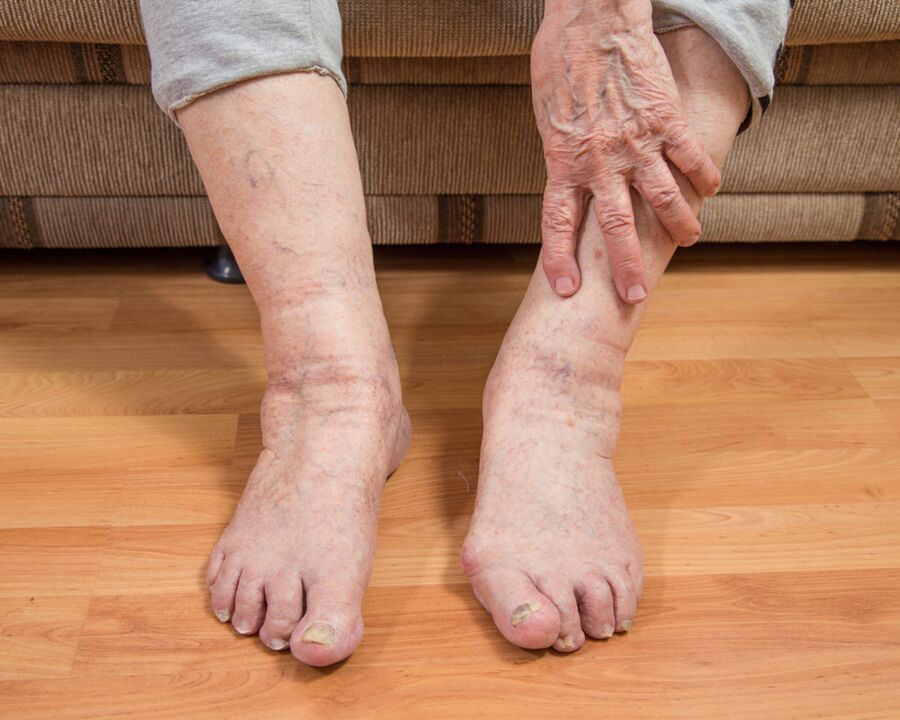
Important!
How to treat advanced toenail fungus in a particular case is determined individually, after laboratory methods have determined the type of pathogenic microorganism.
Drug review
Preparations for toenail fungus are divided into the following groups according to the form of release:
- paints;
- ointments and sprays;
- pills;
- nail plate remover.
Lucky
Paints are sold in pharmacies without a prescription and are recommended for use not only in the treatment of the initial stage of the disease, but also for the prevention of onychomycosis.The drugs have an antiseptic effect and help soften the areas affected by the fungus.
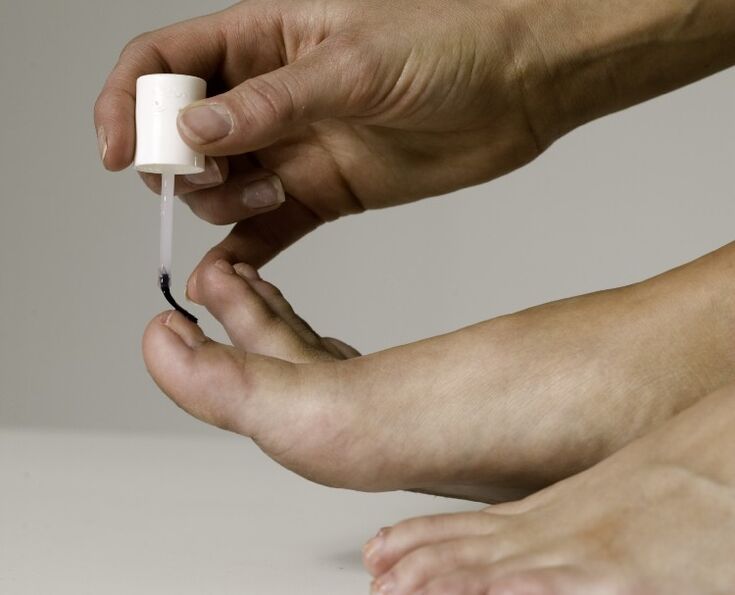
The drugs act on some groups of pathogens, destroying spores and suppressing the growth of fungal colonies.The varnish is applied to a clean nail plate and, after drying, is left for a long time.
Ointments and sprays
Products for external use are available without a prescription in pharmacies and their use rarely causes adverse reactions.Apply after cleaning and treating the nail to the affected surface and surrounding skin.Lubrication of the affected areas is carried out 1-2 times a day, and therapy can last from several months to a year (depending on the severity of the pathology).
The drugs have different effects in suppressing the growth of mycocolonies, but they all have good therapeutic characteristics.
Tablets
Oral drugs are used for advanced forms of the disease, when there is a risk of fungal spores entering the bloodstream.The drug is transported through the bloodstream throughout the body and helps eliminate deep tissue damage.Taking the pills is always prescribed in combination with the use of external agents.
It is not recommended to determine how to treat fungal infections of the extremities if you need to take pills.If, when using drugs externally, an error in the choice of the drug will only cause the ineffectiveness of treatment, then when taken internally, such an error will cause the development of dysbiosis and further suppression of a weakened immune system.
When asked what and how to treat, if it is necessary to take pills, it is better to rely on the expertise of the doctor.
Drugs are selected individually and not only the symptoms of the disease are taken into account, but also the presence of contraindications and possible side effects.All drugs have an inhibitory effect on the development of fungal colonies and can be taken for a long time.
Nail polish removers
In case of severe damage to the nail plate, it is necessary to remove it for successful treatment.But removing a nail from the nail bed is always painful and can lead to disability.If there are no special instructions, it is recommended to remove the nail in a less traumatic way, using emollient agents.
The most popular are:
- A product that is applied to the affected areas in the evening and left to act overnight.In the morning you need to remove the compress, clean all peeled plates and clean the surface with a cosmetic file.The procedure is repeated daily until the affected structures are completely removed.
- An antifungal patch is glued to a clean and maximally flaking-free nail plate and left for 10-12 hours, and in the morning the nail is removed using nail scissors.For most patients, 1 session is enough to completely detach the nail, but in some cases several procedures may be required to achieve the effect.
In mild cases of fungal infections on the big toes, a properly selected drug is sufficient for treatment, but in advanced pathologies, combined therapy is necessary (drugs for internal and external use are prescribed).
Home remedies
The use of home remedies as self-therapy has a good effect in the initial stages of the disease.
Non-medicinal means that you can use:
- Potato peels.Boil in plenty of unsalted water.Drain the water and use it to steam the feet and puree the peels.After steaming your nails in cleansing water, apply the puree to the affected areas for 15-20 minutes.After completing the procedure, rinse the pulp with warm water and put on clean socks.
- Coffee.Prepare ground or instant coffee with boiling water and let it cool to a moderately hot temperature.Take a foot bath with coffee for 15 minutes, then rinse your feet and lubricate them with a moisturizer.
- Garlic.Mix a pulp of 3-4 garlic cloves with a spoonful of alcohol.Apply the resulting mixture to a gauze pad and use for daily compresses.The duration of the procedure is 20 minutes.
- Kombucha.The pulp of the mushrooms is regularly rubbed on the areas affected by the fungi.
At an initial stage of the disease, these available remedies will help to defeat the fungus, and in advanced forms of the pathology it is recommended to use them as an addition to drug therapy.
Fungus on the big toe nail, due to the structure of the toe, takes a long time to treat.The doctor will help you choose the appropriate therapy, but the success of the treatment depends on how regularly the patient carries out therapeutic procedures.